The Green Sea Turtle
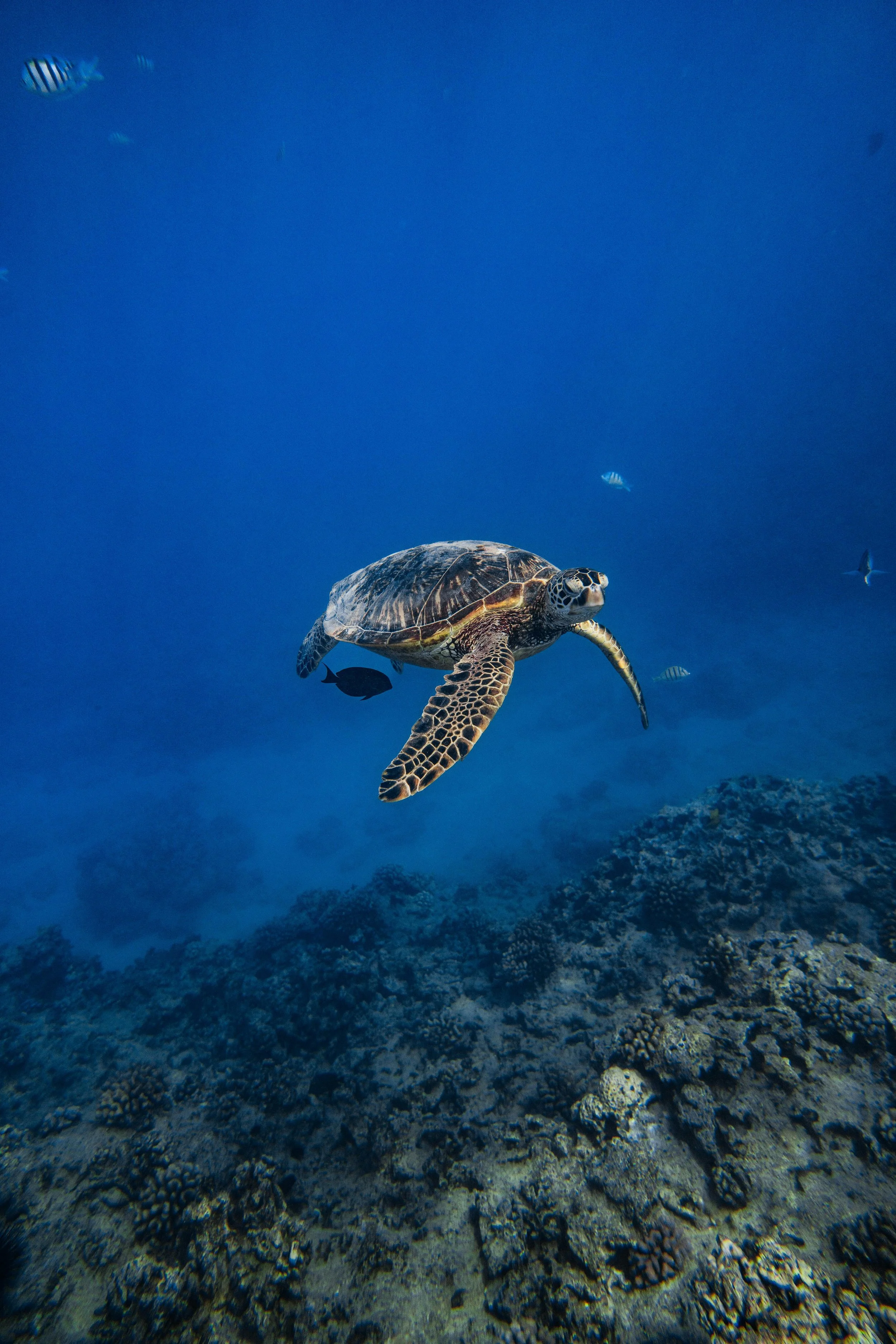
Meet the Green Sea Turtle: Costa Rica's majestic oceanic gardener
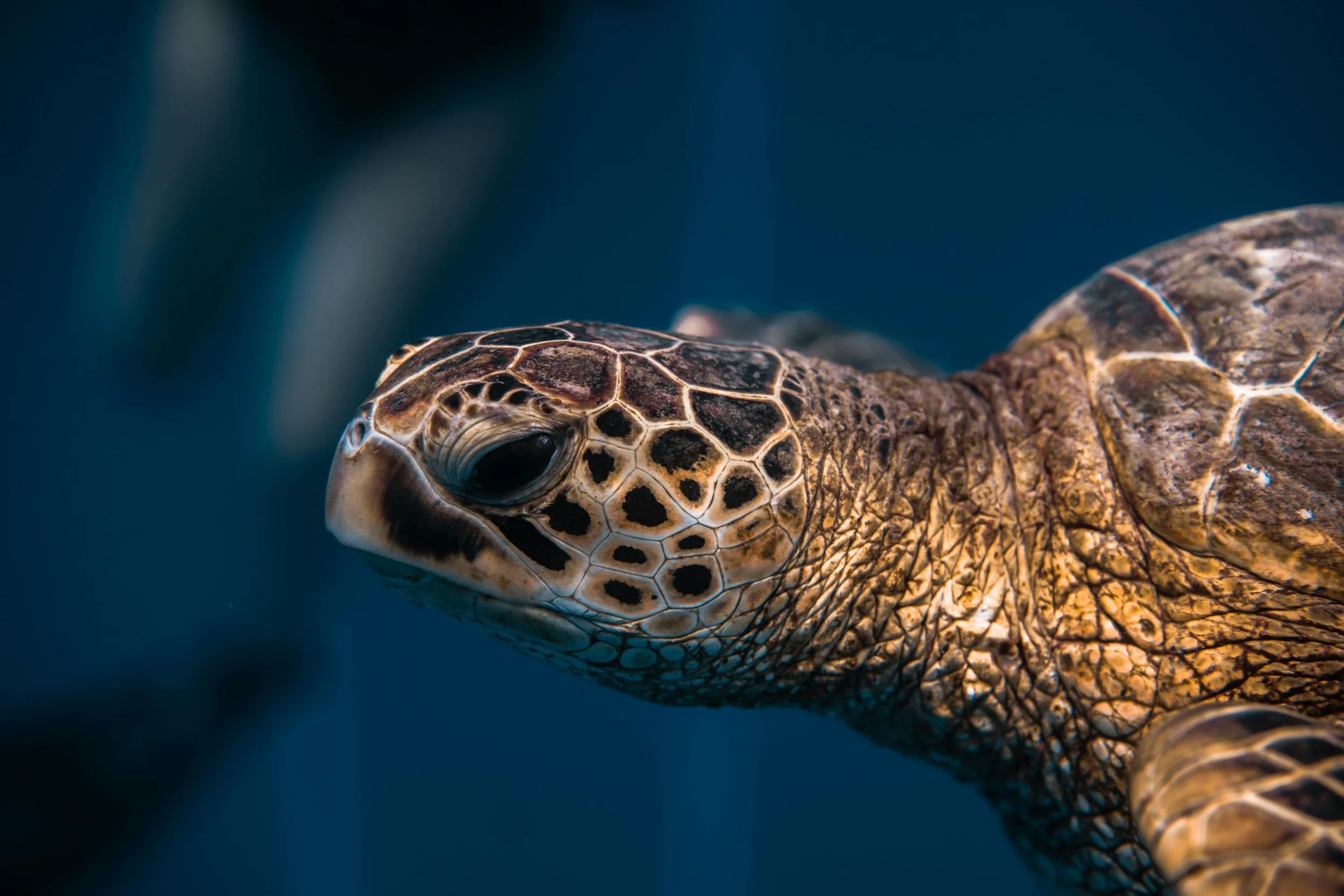
Top 3 Best Tours to See Green Sea Turtle in Costa Rica
Tortuguero: Canoe Tour in Tortuguero National Park (Tortuguero National Park)
Boquete: Cloud Forest Wildlife Hike Tour (Pacuare Nature Reserve)
Puerto Viejo: The Bucket List Package (Puerto Viejo)
Top 5 Cool Facts About the Green Sea Turtle
Green Sea Turtles undertake incredible long-distance migrations, traveling thousands of kilometers between feeding grounds and nesting beaches, often returning to the exact beach where they were born.
Adult Green Sea Turtles are the only sea turtle species that are predominantly herbivorous, grazing on seagrasses and algae, which helps maintain the health of marine ecosystems.
The sex of Green Sea Turtle hatchlings is determined by the temperature of the sand during incubation, with warmer sands producing more females.
They possess specialized salt glands located behind their eyes, which secrete excess salt as a concentrated brine, giving the appearance of 'crying' while on land.
Known for their impressive longevity, Green Sea Turtles can live for 80 years or more in the wild, silently cruising the world's oceans for decades.
The gentle Green Sea Turtle (Chelonia mydas) is one of the ocean's most iconic inhabitants, and a cherished part of Costa Rica's rich biodiversity. These magnificent creatures grace both the Caribbean and Pacific shores of the country, playing a vital role in marine ecosystems and captivating visitors with their serene presence. From the massive nesting aggregations on the Caribbean coast to smaller feeding populations along the Pacific, the Green Sea Turtle is a testament to the wild beauty that thrives within Costa Rica's protected waters.
Frequently Asked Questions about Green Sea Turtle in Costa Rica
Is the Green Sea Turtle dangerous to humans?
No, Green Sea Turtles are not dangerous to humans. They are gentle, shy creatures that primarily eat plants. While they might accidentally nip if they feel threatened or confused, serious injuries are extremely rare and best avoided by maintaining a respectful distance.
What is the best time to see Green Sea Turtles in Costa Rica?
The peak nesting season for Green Sea Turtles on Costa Rica's Caribbean coast, particularly in Tortuguero, is from July to October. However, feeding turtles can be observed in various coastal areas, both Caribbean and Pacific, year-round, often during snorkeling or diving excursions.
Can I swim with Green Sea Turtles in Costa Rica?
Yes, it is possible to swim with Green Sea Turtles in certain areas of Costa Rica, especially in clear waters where they feed. Always do so respectfully, maintaining distance, avoiding touching them, and ideally with a reputable tour operator who practices ethical wildlife viewing.
How many eggs do Green Sea Turtles lay in a clutch?
A female Green Sea Turtle typically lays between 100 to 120 eggs per clutch. During a single nesting season, she may lay multiple clutches, often 3 to 7, with a break of about two weeks between each nesting event.
What do Green Sea Turtle hatchlings eat?
Green Sea Turtle hatchlings are omnivorous. During their "lost years" in the open ocean, they feed on small invertebrates, larval crabs, jellies, and other small organisms found floating in sargassum mats and ocean currents.
Why are they called "Green" Sea Turtles?
Despite their often brownish or olive-colored shells, Green Sea Turtles are named for the greenish hue of their body fat, which is attributed to their largely herbivorous diet of seagrasses and algae. Their shells themselves are not typically green.
What specific threats do Green Sea Turtles face in Costa Rica?
In Costa Rica, Green Sea Turtles face threats including illegal poaching of eggs and nesting females, habitat loss due to coastal development, incidental capture in fishing gear (bycatch), and the impacts of climate change on nesting beaches and hatchling sex ratios. Conservation efforts are crucial to combat these challenges.
Can I touch a nesting Green Sea Turtle or a hatchling?
Absolutely not. It is illegal and harmful to touch nesting Green Sea Turtles or their hatchlings in Costa Rica. Disturbing nesting females can cause them to abandon nesting, and handling hatchlings can interfere with their natural imprinting and survival instincts. Always observe from a respectful distance and follow guide instructions.
1. Basic Identification
The Green Sea Turtle is easily recognizable by its smooth, broad, and somewhat heart-shaped carapace (upper shell), which typically ranges in color from olive green to dark brown, often with radiating streaks or spots. Unlike other sea turtles, it has a single pair of large prefrontal scales between its eyes. Adults can grow impressively large, with a carapace length of up to 1.5 meters (5 feet) and weighing over 300 kilograms (660 pounds). Its plastron (bottom shell) is usually yellowish-white, and its flippers are powerful and paddle-like, perfectly adapted for graceful propulsion through the water.
2. Distribution within Costa Rica
Green Sea Turtles are found in tropical and subtropical oceans worldwide, and Costa Rica is a crucial habitat for the species. On the Caribbean coast, Tortuguero National Park is globally renowned as one of the largest nesting sites for Green Sea Turtles in the Western Hemisphere. Significant nesting also occurs at the Pacuare Nature Reserve and other beaches near Limón. On the Pacific side, while nesting is less common, juveniles and adults are frequently observed in feeding grounds along the coastline, including areas around the Osa Peninsula and Guanacaste, though in smaller numbers compared to the Caribbean.
3. Conservation Status
Globally, the Green Sea Turtle is classified as "Endangered" by the IUCN Red List of Threatened Species. In Costa Rica, conservation efforts are paramount. Major threats include habitat degradation (especially nesting beaches), illegal poaching of eggs and adults, accidental bycatch in fishing gear, climate change impacting nesting success and sex ratios, and pollution. Costa Rica has implemented strict protection laws and manages several critical nesting sites, with organizations like the Sea Turtle Conservancy working tirelessly to monitor populations and educate the public.
4. Habitat & Microhabitat in Costa Rica
Green Sea Turtles exhibit different habitat preferences throughout their life cycle. Hatchlings are pelagic, spending their "lost years" floating in open ocean currents, often associated with sargassum mats, feeding on small invertebrates. As they mature, juveniles and adults move to shallow coastal waters. Their primary habitat in Costa Rica, especially for adults, includes seagrass beds, algal flats, and coral reefs, where they feed. Females come ashore to sandy beaches, specifically above the high tide line, to construct nests and lay their eggs.
5. Activity Pattern & Daily Life in Costa Rica
Foraging Green Sea Turtles are largely diurnal, actively grazing in their seagrass and algal pastures during daylight hours. They spend most of their lives submerged, surfacing regularly to breathe. During the nesting season (primarily July to October on the Caribbean coast), females exhibit a nocturnal activity pattern, emerging from the ocean under the cover of darkness to dig nests, lay eggs, and return to the sea. Males typically remain offshore during this period, mating with females between nesting events.
6. Diet & Foraging in Costa Rica
A fascinating aspect of the Green Sea Turtle's biology is its dietary shift. While hatchlings and juveniles are omnivorous, consuming small invertebrates, jellies, and crustaceans, adult Green Sea Turtles become almost exclusively herbivorous. In Costa Rican waters, their diet consists predominantly of seagrasses, such as turtle grass (Thalassia testudinum), and various species of marine algae. They play a crucial role as "gardeners" of the sea, trimming seagrass beds and preventing them from becoming overgrown, which benefits other marine species.
7. Reproduction & Life Cycle in Costa Rica
Green Sea Turtles typically reach sexual maturity between 20-50 years of age. Mating occurs in the waters off nesting beaches. Females then migrate to their natal beaches, often every 2-4 years, to lay eggs. During a nesting season, a female can lay multiple clutches, usually 3-7, with approximately 100-120 eggs per clutch, spaced about two weeks apart. Eggs incubate in the sand for 45-75 days, depending on temperature. Hatchlings emerge primarily at night, instinctively orienting towards the brightest horizon (the ocean) and making a perilous dash to the sea.
8. Behavior Highlights & Unique Adaptations
Green Sea Turtles are exceptional swimmers, using their powerful front flippers for propulsion and their hind flippers for steering. They are capable of diving to considerable depths and can hold their breath for several hours, especially when resting. A remarkable adaptation is their ability to navigate vast oceanic distances, believed to be guided by the Earth's magnetic field. Their large, flattened bodies and smooth carapaces reduce drag, making them incredibly efficient long-distance travelers.
9. Vocalizations & Communication
Green Sea Turtles are generally considered to be non-vocal animals. Unlike some terrestrial species, they do not possess complex vocal communication systems. While divers and researchers have occasionally reported faint grunts or squeaks, particularly when turtles are stressed or handled, these are not understood as a form of inter-turtle communication in the way, for instance, bird calls are. Their interactions are primarily visual and tactile, relying on body language and physical cues rather than sound.
10. Ecological Role in Costa Rican Ecosystems
The Green Sea Turtle plays a critical ecological role in Costa Rica's marine and coastal ecosystems. As primary grazers of seagrass beds, they maintain the health and productivity of these vital habitats, which serve as nurseries for many fish and invertebrate species. Their foraging prevents seagrass from overgrowing, promoting biodiversity. Furthermore, the nutrients from unhatched eggs and nesting activity on beaches contribute to the terrestrial nutrient cycle, supporting beach vegetation and invertebrates.
11. Predators & Mortality in Costa Rica
Green Sea Turtles face various predators throughout their lives in Costa Rica. Hatchlings are particularly vulnerable, preyed upon by crabs, raccoons, birds (like frigatebirds), and even jaguars, especially in areas like Tortuguero. Once they reach a larger size, natural predation significantly decreases, though sharks can occasionally prey on juveniles and adults. However, the greatest mortality factor for Green Sea Turtles in Costa Rica, as elsewhere, is human-related: poaching, bycatch in fisheries, boat strikes, and the destruction of nesting habitats.
12. Best Places & Tips to See It in Costa Rica
Seeing a Green Sea Turtle in Costa Rica is an unforgettable experience, and several locations offer prime opportunities. The absolute best place to witness them, especially nesting, is **Tortuguero National Park** on the Caribbean coast. During the peak nesting season (July to October), guided nocturnal tours are offered to observe females laying eggs, and year-round canoe tours often reveal turtles feeding in the canals. The **Pacuare Nature Reserve**, also on the Caribbean, provides another important, less-visited nesting beach. Along the southern Caribbean near **Puerto Viejo**, snorkeling and diving tours can yield sightings of turtles foraging on reefs. On the Pacific coast, casual sightings occur during snorkeling or diving in areas like Guanacaste or the Osa Peninsula. Remember, guided tours are always the best way to spot Green Sea Turtles, ensuring both your safety and the ethical treatment of these protected animals. Always choose certified guides who prioritize conservation.
13. Wow, Lesser-Known & Costa Rica-Specific Facts
Costa Rica's Tortuguero National Park protects the Western Hemisphere's largest nesting population of Green Sea Turtles, making it a critical global stronghold for the species.
Female Green Sea Turtles possess an astonishing ability to navigate back to the exact beach where they were born, decades later, to lay their own clutches of eggs – a phenomenon known as natal homing.
The "green" in their name doesn't refer to their shell, but to the greenish color of their fat, which is a result of their herbivorous diet.
Green Sea Turtle shells have growth rings, much like trees, which can be counted to estimate their age, providing valuable data for conservationists.
14. Cultural & Historical Importance in Costa Rica
The Green Sea Turtle holds significant cultural and historical importance in Costa Rica, particularly for the communities along the Caribbean coast. For centuries, these turtles were a primary food source, but with increased awareness and scientific understanding, they have transformed into a powerful symbol of conservation and sustainable eco-tourism. Tortuguero, meaning "land of turtles," directly reflects this connection. The annual nesting spectacle draws thousands of visitors, providing economic benefits to local communities while fostering a deep respect for marine life and environmental protection.
15. Photography & Citizen Science
Capturing the beauty of Green Sea Turtles requires patience, respect, and adherence to ethical guidelines. When photographing them in their natural habitat:
Maintain Distance: Always keep a respectful distance, especially from nesting females or hatchlings. Use a zoom lens to get close-up shots without disturbing the animals.
Ethical Lighting: During nocturnal nesting tours, follow your guide's instructions regarding light. Only use approved red lights if permitted, and absolutely no direct white flash on nesting turtles or hatchlings, as it can disorient them.
Patience and Observation: Wait for natural behaviors. Underwater, approach slowly and let the turtle acclimate to your presence. The best photos often come from observing their daily routines.
Citizen Science: Contribute to conservation by reporting sightings of tagged turtles, injured individuals, or unusual nesting activity to local conservation organizations like the Sea Turtle Conservancy (STC) in Tortuguero. Share your ethical photos with them if they have a program for citizen submissions.
16. Sources & Further Reading (Costa Rica focused)
IUCN Red List of Threatened Species: Chelonia mydas
Sea Turtle Conservancy (STC): conserveturtles.org
Costa Rican Ministry of Environment and Energy (MINAE)
National Geographic: Green Sea Turtle profiles
"Ecology of the Sea Turtles of Tortuguero, Costa Rica" - Archie Carr publications
